What is an Aluminum CNC Machine and How Does It Work?
In the world of manufacturing, aluminum CNC machines have become essential tools. These machines provide precision and efficiency in processing aluminum. Expert John Smith, a leading figure in CNC technology, states, "An aluminum CNC machine can transform creative concepts into high-quality products with astonishing speed."
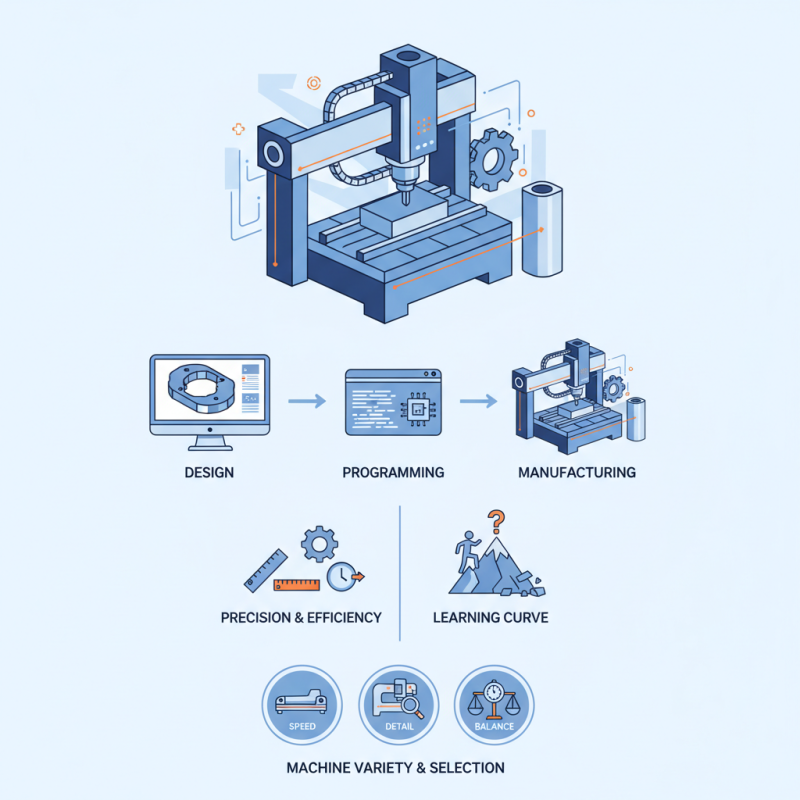
The operation of an aluminum CNC machine involves advanced technology. It utilizes computer-generated designs to control machine movements. The accuracy of these machines allows for detailed work. However, the learning curve can be steep for new users. Many struggle to understand the programming aspects. This can lead to errors, which, while frustrating, are part of the learning process.
There are various models in the market, each offering unique features. Selecting the right aluminum CNC machine depends on specific needs. Some machines excel in speed, while others prioritize detail. Finding a balance can take time and reflection. Understanding these factors is crucial for effective use in any project.
What is an Aluminum CNC Machine?
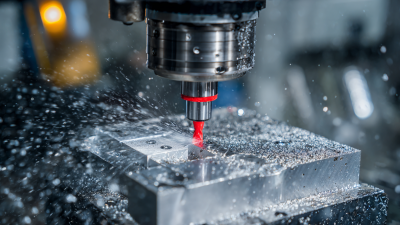
An aluminum CNC machine is a specialized device used to cut, shape, and finish aluminum parts with high precision. It operates using Computer Numerical Control (CNC) technology, which automates the machining process by following pre-programmed software instructions. This level of automation allows for complex designs that would be difficult to achieve manually. According to a recent report by MarketWatch, the CNC machine market is expected to grow significantly, driven by industries such as aerospace and automotive.
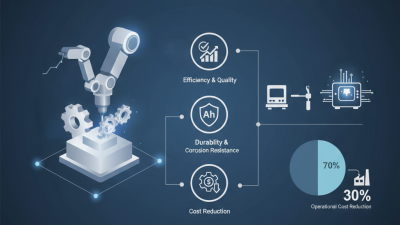
These machines are essential for producing lightweight components. Aluminum’s favorable properties, like corrosion resistance and high strength-to-weight ratio, make it an ideal choice for various applications. Companies report improved efficiency when utilizing CNC machines, with some indicating time savings of up to 50% in the production process. However, operating these machines also presents challenges. Variations in aluminum quality can affect the machining outcome, leading to potential wastage.
Tip: Always conduct thorough material inspections before machining. Quality control ensures better outcomes.
Furthermore, the setup of a CNC machine for aluminum machining requires expertise. Incorrect programming can lead to errors, increasing costs. Regular training for operators can mitigate this issue. As technology advances, staying updated is vital.
Tip: Invest time in operator training sessions. This creates a knowledgeable workforce.
Aluminum CNC Machine Production Volume by Year
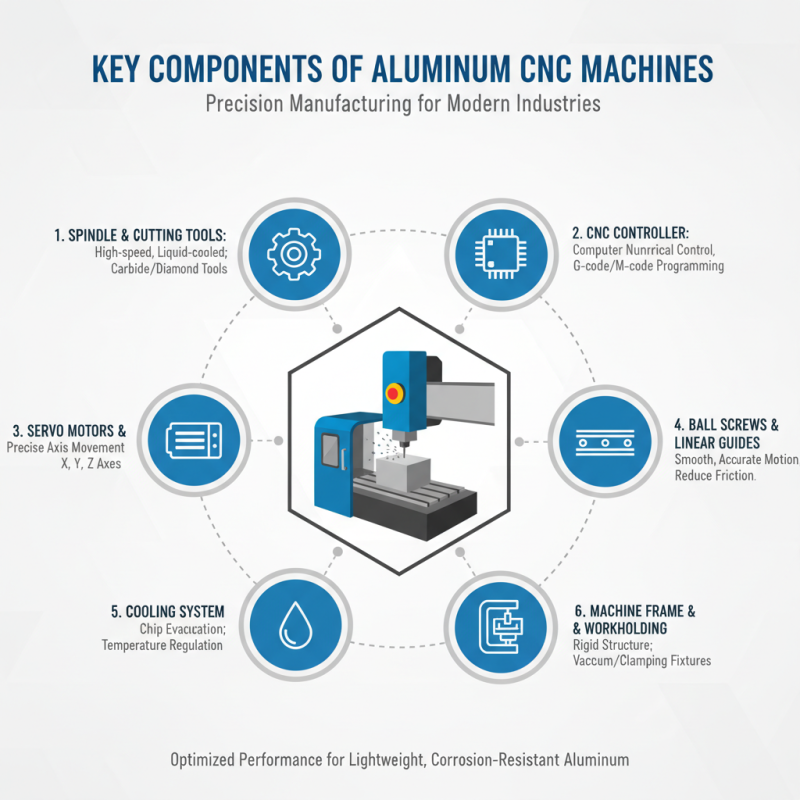
Key Components of Aluminum CNC Machines
Aluminum CNC machines are essential in modern manufacturing. They enable precise machining of aluminum, a metal known for its lightweight and corrosion-resistant properties. Understanding the key components of these machines helps in optimizing their performance.
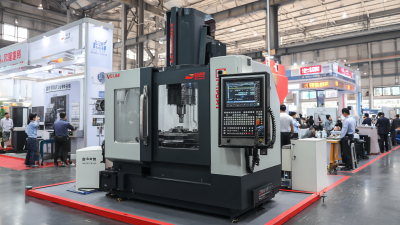
A typical aluminum CNC machine includes a robust frame, spindle, tool holder, and control system. The frame provides stability during operation, reducing vibrations. A report by SME indicates that better frame design can enhance accuracy by up to 20%. The spindle rotates the cutting tools at high speeds, essential for efficient metal removal. Different spindles have varying horsepower, affecting the cutting capabilities. A higher horsepower gives an edge in processing thicker aluminum sheets.
The tool holder is crucial for maintaining tool integrity. Improper tool holding can lead to inaccuracies and premature tool wear. Experts suggest that monitoring tool conditions improves lifespan by 40%. Finally, the control system guides the entire operation, translating designs into machine movements. Advanced control features are showing promise, enabling easier adjustments and error corrections. While these components are vital, ongoing developments lead to varied user experiences. Not all machines may perform equally under diverse conditions, indicating a need for careful selection based on specific requirements.
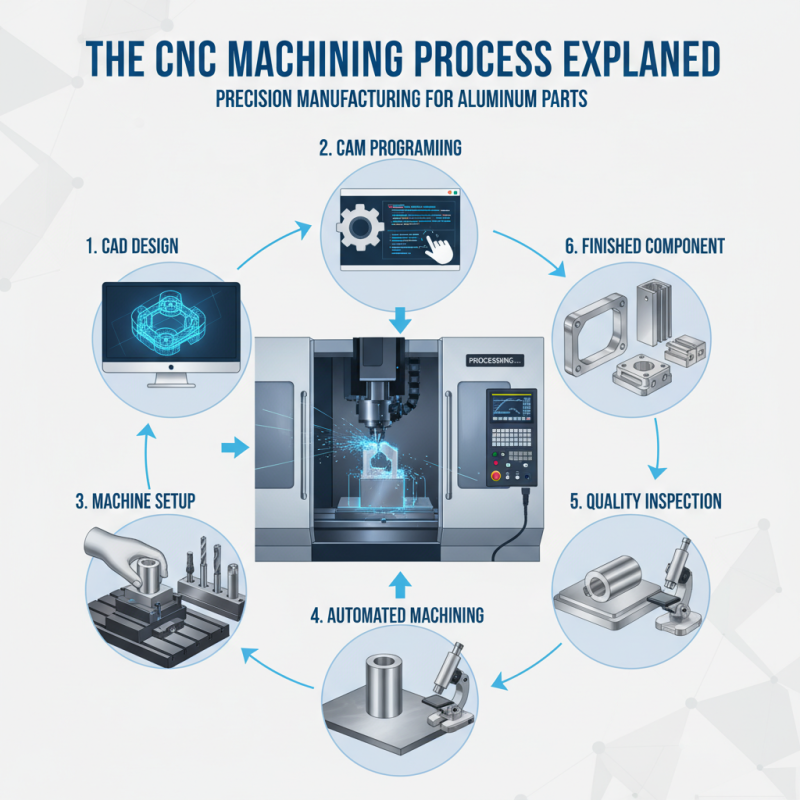
The CNC Machining Process Explained
CNC machining is a precise manufacturing process essential in producing aluminum components. This method uses computer-controlled tools to create intricate parts. The process starts with a CAD design, which guides the CNC machine. It interprets the digital file and executes the programmed instructions through various tools like drills, lathes, or mills.
A study by Deloitte notes that CNC machining can reduce production time by up to 75%. This efficiency is crucial in industries like aerospace and automotive, where precision is non-negotiable. However, challenges remain. For instance, the initial setup can be time-consuming and often requires skilled operators. Minor errors in the programming phase can lead to significant material waste.
Tip: Always double-check the CAD design before processing. Mistakes in the design phase can translate into costly errors during machining.
Machining aluminum offers benefits like lightweight and corrosion resistance. However, each aluminum alloy presents unique machining challenges. For example, softer alloys may not hold tight tolerances. In contrast, harder alloys can wear out cutting tools quickly. Understanding material characteristics is key for optimization.
Tip: Keep a log of machining parameters for different alloys. This can help improve your process over time.
Advantages of Using CNC for Aluminum Machining
CNC machining for aluminum offers several advantages that enhance production efficiency and precision. One major benefit is accuracy. CNC machines can produce complex shapes with tight tolerances. This is crucial in industries where detail matters. Projects that require consistent quality over time greatly benefit from this technology.
Another key advantage is speed. CNC machines operate faster than traditional methods. This reduces production time significantly for aluminum parts. The automation allows for continuous operation, which maximizes efficiency. As a result, businesses can meet tight deadlines without sacrificing quality.
Tips:
- Always ensure proper tooling for aluminum. This will minimize wear and improve surface finish.
- Regular maintenance of CNC machines is essential. It prevents breakdowns and enhances accuracy over time.
- When starting a new project, prototype first. This helps in identifying potential issues before full production begins.
Taking these steps can lead to better outcomes.
Applications of Aluminum CNC Machining in Industry
Aluminum CNC machining plays a vital role in various industries, including aerospace, automotive, and electronics. The ability to create precise and complex components makes it indispensable. According to a recent industry report, the global CNC machining market is projected to reach $100 billion by 2026. This growth underscores the increasing reliance on CNC technologies for efficient manufacturing.
In aerospace, aluminum components are crucial due to their lightweight and sturdy nature. Parts like brackets, frames, and housings are often machined from aluminum to ensure aircraft perform optimally. Automotive manufacturers also utilize CNC machining to produce intricate parts that enhance vehicle efficiency and safety. A study reveals that using aluminum in automotive applications can reduce vehicle weight by up to 30%, which directly impacts fuel consumption.
Tips: Regular maintenance of CNC machines is essential for consistent performance. A well-maintained machine reduces the risk of errors that could lead to wastage. Training operators effectively is equally vital to minimize mistakes during machining processes. Accurately calibrating equipment can prevent costly rework and ensure component quality remains high.