
Custom sheet metal parts in as little as 3 days - Get a quote now!

What is a Battery Formation Cabinet and How Does it Work?

In the world of battery manufacturing, precision and control are vital. A Battery Formation Cabinet plays a crucial role in this process. It serves as a specialized environment for the initial charging and conditioning of batteries. This first stage is essential for enhancing battery performance and longevity.

Understanding how the Battery Formation Cabinet operates can shed light on its importance. This cabinet maintains specific temperature and humidity levels, ensuring optimal conditions. Within these controlled settings, electrical current is precisely applied to batteries, allowing them to attain desired chemistry. The process is complex and requires expertise. Mismanagement can lead to suboptimal battery performance, impacting efficiency.

The technology behind Battery Formation Cabinets continues to evolve. Innovations aim to make the process more efficient and reliable. However, there are still challenges to overcome, including maintaining uniformity across large batches. Manufacturers must remain vigilant about these aspects to ensure their products meet high standards. The ultimate goal is to create batteries that are safe, reliable, and effective in various applications.
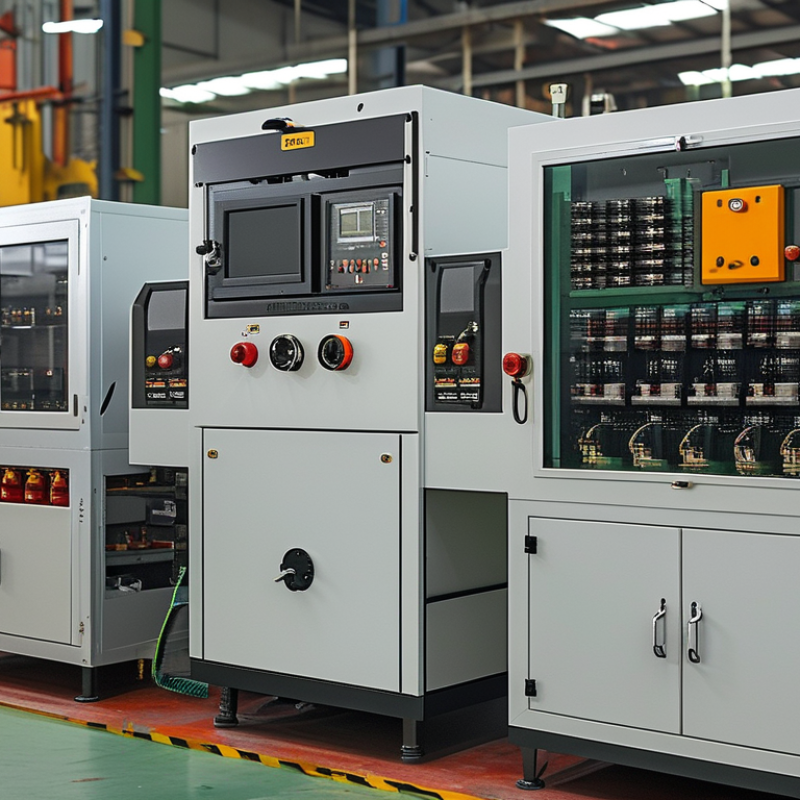
What is a Battery Formation Cabinet and How Does it Work?

What is a Battery Formation Cabinet?

A battery formation cabinet is essential in the battery manufacturing industry. It provides a controlled environment for the initial charging of new batteries. This procedure is crucial for achieving optimal performance and longevity. Inside these cabinets, regulated temperature and humidity levels ensure consistent results. Proper settings reduce the chances of defective cells.

The formation process begins with charging the batteries at low voltages. This step helps establish a solid electrolyte interface. During this phase, chemical reactions occur that are vital for the battery's longevity. However, achieving the perfect balance is not easy. An overly high charge can lead to damage. Conversely, insufficient charging can result in inadequate battery capacity.

Operators must monitor the process closely. This attention to detail prevents common pitfalls in battery formation. For instance, inconsistency in temperature or humidity can lead to varying charge capacities. The end goal is to create a reliable product. Therefore, engineers adapt and refine methods. Continuous improvement ensures the formation cabinet meets evolving industry standards.

Battery Formation Process Data

This chart represents the charging and discharging cycles of a battery during the formation process, highlighting the capacity achieved at each stage.

The Basic Components of a Battery Formation Cabinet

A Battery Formation Cabinet is essential in battery manufacturing. It provides a controlled environment for charging and discharging batteries during their formation process. The main components include a temperature control system, a power supply, and a monitoring system. These parts ensure that batteries are activated properly, enhancing their performance and lifecycle.

The temperature control system is crucial. It maintains an optimal temperature range, which is vital for chemical reactions within the battery. A precise temperature helps prevent overheating, which can lead to battery failure. The power supply delivers energy during the charging process. This must be stable and adjustable to meet specific battery requirements.

Tips for using a Battery Formation Cabinet: Always check the calibration of your monitoring system. Inaccurate data could lead to inconsistent results. Ensure that the temperature control system is functioning correctly prior to starting the formation cycle. Regular maintenance is key to prolonging the cabinet’s lifespan. Small issues, if ignored, can lead to bigger problems down the line.

Implementing these best practices can aid in achieving optimal battery performance. Keep a log of all formation processes to analyze trends. This habit can reveal patterns that improve efficiency.

How Battery Formation Cabinets Operate

Battery formation cabinets play a crucial role in the manufacturing of batteries. These specialized setups ensure that batteries are conditioned properly during their production lifecycle. This process is essential for optimizing the performance and longevity of the batteries.

Inside a battery formation cabinet, a controlled environment is maintained. This environment is crucial for the electrochemical reactions that occur during the formation phase. The cabinets can regulate temperature and humidity levels. This helps in achieving the desired charge and discharge characteristics effectively. Formation cycles typically involve multiple charging and discharging sequences, designed to stabilize the battery. As each cycle progresses, the battery's internal chemistry undergoes significant changes.

Despite their importance, issues can arise during the formation process. Inconsistent temperature or humidity levels can lead to poor battery performance. Over time, manufacturers have learned to adjust their procedures. Continuous monitoring and data analysis are vital for improving the formation process. Effective training for operators also enhances the overall reliability of battery formation cabinets. These reflections highlight the need for ongoing improvement in this technology, ensuring batteries meet the demands of modern applications.

Key Benefits of Using a Battery Formation Cabinet

A battery formation cabinet is essential for manufacturing high-performance batteries. It allows for controlled charging and discharging cycles, ensuring optimal performance and longevity. This technology is crucial in various applications, from electric vehicles to renewable energy systems.

Key benefits of using a battery formation cabinet include enhanced efficiency and reliability. These cabinets maintain precise environmental conditions, which is vital for the chemical processes inside the batteries. By controlling temperature and humidity, manufacturers can reduce defects. This results in lower failure rates and improves overall battery life.

When utilizing a battery formation cabinet, consider these tips: regularly check calibration settings to ensure accuracy. This can prevent issues down the line. Also, monitor cycles diligently. Overcharging or undercharging can lead to performance discrepancies. Testing under varied conditions may reveal unexpected results and offer areas for improvement. Reflection on these processes can drive innovation in battery technology.

Battery Formation Cabinet Data Overview

Parameter Value Description
Voltage Range 0-5V The range of voltage the cabinet can handle for battery formation.
Current Capacity 0-100A Maximum current output for efficient formation process.
Temperature Control 20-40°C Optimal temperature range for battery formation.
Cycle Time 1-4 hours Duration for completing a battery formation cycle.
User Interface Touch Screen Interactive interface for easy operation and monitoring.
Safety Features Overcurrent, Overvoltage, Temperature Protection Built-in protections to ensure safe operation.

Applications of Battery Formation Cabinets in Industry

Battery formation cabinets play a vital role in various industrial applications. These cabinets ensure batteries are charged and conditioned correctly during production. This process optimizes battery performance and lifespan. The controlled environment inside the cabinets prevents temperature fluctuations, which can affect battery chemistry.

A wide array of industries use formation cabinets. For example, the automotive sector relies on them for electric vehicle batteries. They help ensure the safety and reliability of battery packs. Renewable energy storage systems also depend on these cabinets. Consistent charging cycles can enhance the reliability of solar or wind energy storage.

Some challenges exist with battery formation. Operators must monitor conditions closely. Failure to do so can lead to uneven charging, risking battery integrity. Regular maintenance of these cabinets is crucial for optimal performance. It's a reminder that even advanced technology can face limitations and requires constant improvement.