Best Small Part Machining Techniques for Precision Parts?
Small part machining is a crucial aspect of modern manufacturing. Precision parts are often small, yet they require the highest standards of accuracy. Whether in the automotive, aerospace, or electronics industry, these tiny components play significant roles. The techniques used in small part machining directly impact the quality and functionality of the final product.
Many manufacturers face challenges with small part machining. The tight tolerances can lead to complications in production. Additionally, the choice of materials adds another layer of complexity. For instance, machining materials like titanium can be demanding yet rewarding. Precision tools must be employed to ensure effective results. Yet, even with advanced technology, errors can occur. These mistakes often require costly rework.
The importance of mastering small part machining techniques cannot be overstated. Each method demands a high level of skill and attention to detail. Failure to achieve precision can lead to significant setbacks. Therefore, manufacturers must continually evaluate their processes for improvement. Embracing new technologies may help overcome past challenges. The journey in mastering small part machining is ongoing, filled with lessons and opportunities for growth.

Overview of Small Part Machining Techniques
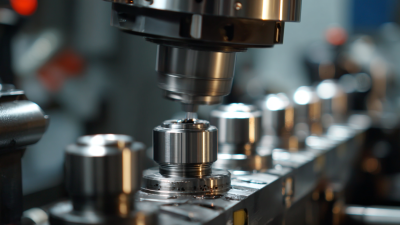
Small part machining is essential in various industries. It requires precision and skilled techniques. Each technique has its strengths and weaknesses. For example, turning is a common method for creating cylindrical parts. It uses a rotating workpiece and a single-point cutting tool. This technique is excellent for producing high-accuracy features.
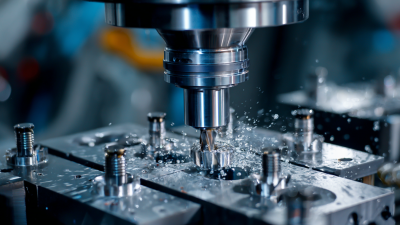
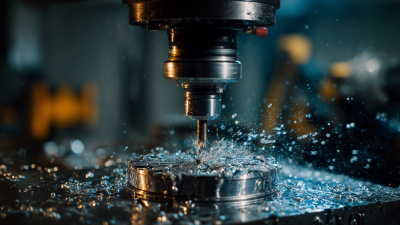
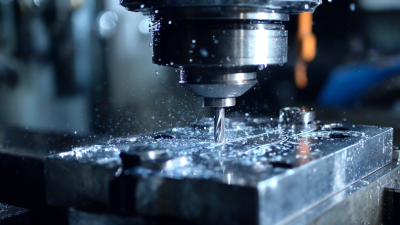
Milling is another critical method. It can craft complex shapes but may result in more waste. Additionally, it often requires extensive setup. While milling is versatile, it can be challenging to achieve the desired precision on small parts.
Wire EDM (Electrical Discharge Machining) is also popular. This method uses electricity to cut materials. It's great for intricate designs and hard materials, but the process can be slow.
In small part machining, challenges will always exist. Sometimes, the finish might not be as smooth as needed. Operators may face issues with tolerances. Attention to detail is crucial but often hard to maintain consistently. Each technique demands practice and awareness of its limitations. Finding the right approach for each project can be a constant puzzle for manufacturers.
Key Factors Influencing Precision in Small Part Machining
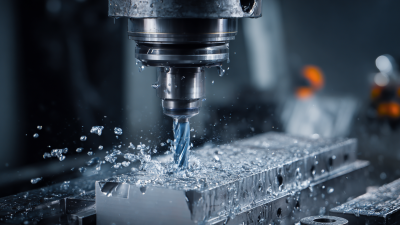
Precision in small part machining is influenced by various key factors. The choice of material is critical. Harder materials often require different tools and techniques. This can lead to wear and decreased precision over time. Additionally, cooling and lubrication affect the machining process significantly. Insufficient lubrication can lead to overheating and tool failure.
Machine calibration plays a vital role too. A well-calibrated machine ensures dimensional accuracy. However, many operators overlook maintenance schedules. This neglect can lead to serious inaccuracies in production runs. The environment also matters. Dust or contaminants can disrupt machining operations, affecting final part quality.
Tool selection is another area for careful consideration. Each tool has unique characteristics impacting its performance. Using the wrong tool can lead to subpar outcomes. Precision requires attention to detail in tool setup. Many machinists find themselves rushing this process, affecting overall results. A committed approach to these factors is essential for achieving high precision in small part machining.
Best Small Part Machining Techniques for Precision Parts
| Machining Technique |
Material |
Tolerance |
Surface Finish (Ra) |
Cycle Time (min) |
| CNC Milling |
Aluminum 6061 |
±0.005 mm |
0.2 |
15 |
| EDM (Electrical Discharge Machining) |
Tool Steel |
±0.002 mm |
0.1 |
25 |
| Turning |
Stainless Steel |
±0.01 mm |
0.8 |
10 |
| Laser Cutting |
Acrylic |
±0.05 mm |
1.5 |
8 |
| 3D Printing |
Nylon |
±0.1 mm |
5.0 |
60 |
Common Materials Used in Precision Small Part Machining
Precision small part machining often involves a variety of materials. Each material has its unique properties and applications. For example, aluminum is popular due to its lightweight and excellent machinability. It is often used in aerospace and automotive components. However, its softness can lead to wear issues. This requires careful consideration during the machining process.
Stainless steel is another common choice. It offers strength and corrosion resistance, making it suitable for medical instruments and tools. Yet, it can be challenging to machine accurately. The hardness may cause tool wear and increased production time. Finding the right balance between speed and precision is essential here.
Plastics, such as nylon or polycarbonate, are also frequently used. They are versatile, lightweight, and can be machined into complex shapes. However, plastics can be sensitive to temperature variations during machining. This may cause warping or dimensional inaccuracies. Understanding how each material behaves is crucial to achieving the desired precision.
Advanced Tools and Technologies for Small Part Machining
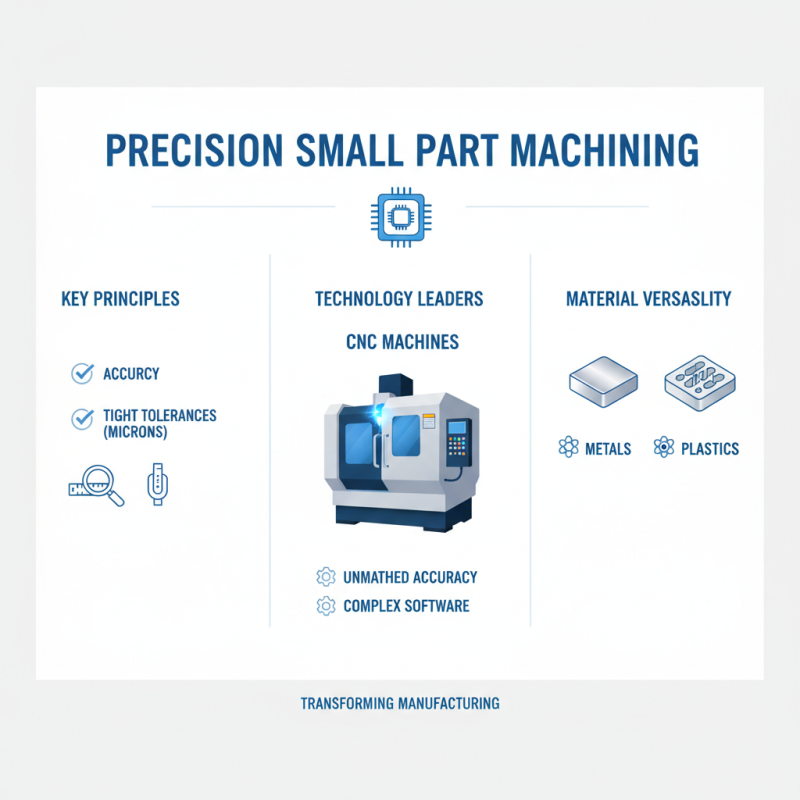
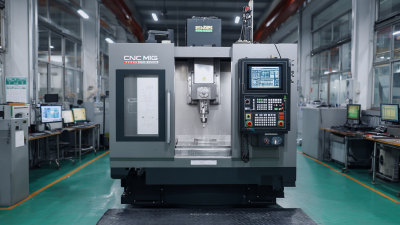
In small part machining, precision is key. Advanced tools and technologies have transformed this field. CNC machines lead the way with their unmatched accuracy. They can create intricate parts from various materials like metal and plastic. These machines can produce parts with tight tolerances, often within microns. The programming of these machines involves complex software. This allows for precise control over each movement.
Tips: Ensure your CNC machines are regularly calibrated. This minimizes errors and ensures high precision. Additionally, use high-quality cutting tools to extend their lifespan and improve surface finish.
Additive manufacturing is another exciting technology. It allows for creating geometrically complex parts that traditional methods struggle with. However, the materials used may not always be suitable for every application. It’s important to consider mechanical properties before committing to this method.
Tips: Test your designs on small scales before full production. This helps identify potential weaknesses and required adjustments. Also, stay updated on new materials that enhance performance. Continuous learning is vital in this rapidly evolving industry.
Quality Control Measures for Ensuring Precision in Machining
Quality control is essential in small part machining. Precision is not just a goal; it is a necessity. According to the National Institute of Standards and Technology, an estimated 30% of manufacturing costs can be traced back to quality issues. Effective quality control measures can reduce these costs significantly.
Implementing a robust inspection process is a starting point. Regularly measuring parts with precision tools helps catch defects early. Using statistical process control (SPC) allows manufacturers to monitor production processes in real-time. This proactive approach can prevent costly reworks.
Tips: Regular maintenance of machines is vital. A well-maintained machine ensures consistent performance. Training staff on quality standards is equally important. Empowering workers can increase the likelihood of detecting issues before they escalate.
Mistakes still happen, though. Some parts may pass initial inspection but show issues later. This gap in quality assurance highlights the need for continuous improvement. Investing in better technology can help prevent these situations. Advanced sensors and software can enhance monitoring and prediction capabilities.