Custom sheet metal parts in as little as 3 days - Get a quote now!
China Best Deep Drawing Parts for Global Sourcing Needs?
The demand for high-quality Deep Drawing Parts is growing globally. Many companies seek reliable suppliers that can meet their specific requirements. According to John Miller, a leading expert in metal fabrication, “China has become a hub for innovative Deep Drawing Parts that cater to diverse industries.” His insights capture the essence of why China is a strategic choice for sourcing.
China's manufacturing capabilities are notable. It combines advanced technology with skilled labor. This synergy results in precision Deep Drawing Parts that enhance product performance. Many sectors, including automotive and aerospace, rely on these components. Yet, companies must carefully evaluate suppliers to ensure quality and consistency.
Selecting the right partner is crucial. Various suppliers claim to specialize in Deep Drawing Parts, but not all provide the same level of expertise. Some fail to meet international standards, leading to unexpected challenges. A thorough vetting process can help mitigate risks and ensure success.
Understanding Deep Drawing Parts and Their Applications
Deep drawing is a manufacturing process widely used in various industries. It involves shaping metal sheets into complex forms. Parts made through deep drawing are essential in automotive, aerospace, and consumer goods sectors. Their ability to create intricate designs while maintaining structural integrity makes them highly valued.
When considering deep drawing parts, understanding material selection is critical. Different metals offer unique properties. For example, aluminum is lightweight yet strong, making it suitable for automotive applications. On the other hand, stainless steel resists corrosion, ideal for kitchen appliances. Each material has its advantages and limitations.
Tip: Assess your project requirements carefully. This will guide your material choice. Think about strength, weight, and environmental factors.
The tooling process is another crucial aspect. Quality dies and presses ensure precision and consistency in production. However, designing dies can be challenging. Small errors in the dies lead to substantial issues in the final product. Continuous testing and adjustments may be necessary.
Tip: Engage with experienced professionals when designing dies. Their expertise can minimize complications down the line. Flexibility in design helps adapt to unexpected changes in needs.
Deep drawing offers a solid solution for creating reliable parts. Yet, the process demands attention to detail for optimal results. Understanding its aspects can significantly benefit sourcing strategies.
Key Benefits of Sourcing Deep Drawing Parts from China
Sourcing deep drawing parts from China presents unique advantages for global businesses. One major benefit is cost efficiency. Manufacturers leverage advanced techniques and economies of scale, making production less expensive. This pricing strategy helps buyers save significantly on their orders, which is crucial for maintaining competitive edges.
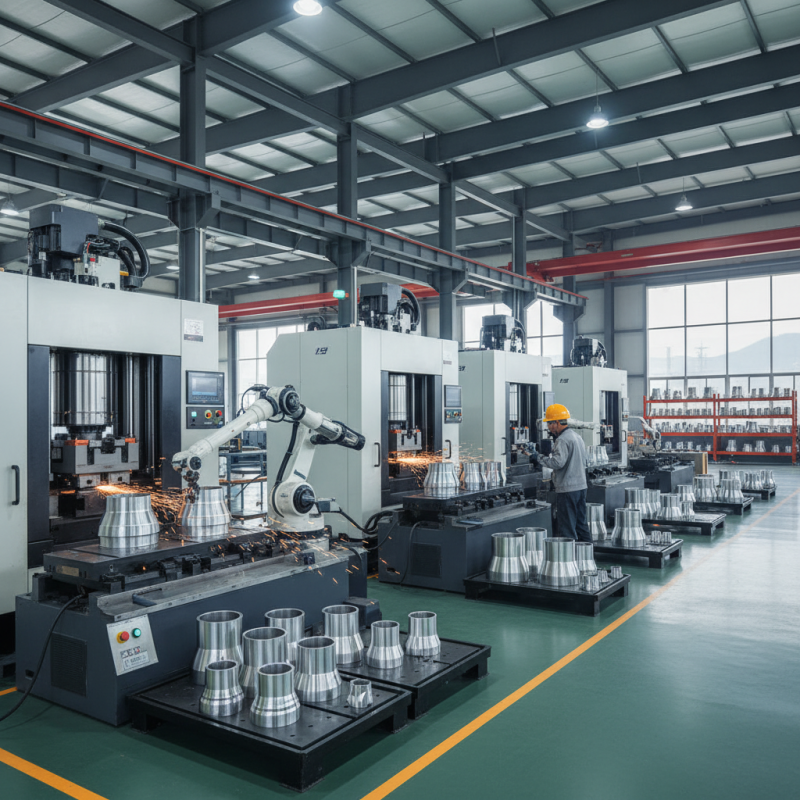
Quality is another pivotal factor. Many Chinese suppliers adhere to strict quality control measures. However, variability can occur. Partners must establish clear standards and conduct thorough audits. Communication is key to ensuring that expectations are met. Additionally, many factories utilize modern equipment, enhancing precision in the manufacturing process.
Lead times can also be a concern. While some suppliers promise quick turnaround, others may experience delays. It’s essential for companies to plan accordingly and incorporate buffer times. Building strong relationships with manufacturers can mitigate these risks. Overall, the potential for high-quality, cost-effective deep drawing parts from China makes it a notable consideration for global sourcing needs.
Key Benefits of Sourcing Deep Drawing Parts from China
Evaluating Quality Standards in China's Deep Drawing Manufacturing
China has emerged as a key player in the global deep drawing manufacturing market. With a focus on quality, many companies seek reliable partners in this sector. Evaluating quality standards in this vast landscape requires careful consideration. Potential buyers must understand the intricacies of quality assurance processes in China. Different manufacturers might adopt varying standards, making it essential to conduct thorough research.
Quality certifications can serve as a reliable indicator of manufacturing practices. Look for facilities that showcase adherence to international standards. Certifications like ISO 9001 are imperative for ensuring consistency. However, not all manufacturers pursue these certifications, raising questions about reliability. It’s necessary to balance cost with quality when sourcing deep drawing parts.
Tips: Always ask for sample parts before committing to a supplier. This helps evaluate not only quality but also the manufacturer’s capabilities. Establish clear communication channels to address any concerns. A well-informed approach will mitigate risks, leading to better sourcing outcomes. Trust but verify; ensure that your chosen manufacturer aligns with your quality expectations.
Supply Chain Dynamics for Global Sourcing of Deep Drawing Parts
In the context of global sourcing, deep drawing parts play a crucial role in multiple industries, particularly in automotive and electronics. A recent industry report highlights that the global demand for deep drawing components is projected to reach $15 billion by 2026. This surge reflects the broader trends in supply chain dynamics, emphasizing the need for reliable sourcing options.
China remains a key player in providing high-quality deep drawing parts. With state-of-the-art manufacturing facilities, Chinese suppliers can meet rigorous international standards. However, challenges persist.Quality control remains a constant concern. In fact, studies indicate that around 30% of sourced parts experience quality issues upon delivery. This underscores the importance of thorough inspection processes throughout production.
Moreover, companies must adapt to shifting supply chain dynamics. The COVID-19 pandemic revealed vulnerabilities in global sourcing strategies. Disruptions in logistics and transportation highlighted the necessity for diversified sourcing. Relying solely on one region can lead to significant delays. Therefore, developing robust relationships with multiple suppliers is essential for maintaining consistency and quality.
Future Trends in Deep Drawing Technology and Global Sourcing Strategies
The landscape of deep drawing technology is evolving rapidly, influenced by automation and advanced materials. According to a recent report by Markets and Markets, the global deep drawing market is projected to reach $25 billion by 2026, growing at a CAGR of 5.3%. This growth reflects the increasing demand for lightweight components in sectors like automotive and aerospace.
Global sourcing strategies are also adapting. Many companies are turning to China for cost-effective manufacturing. China's robust supply chain and skilled workforce make it a preferred location for deep drawing parts. However, sourcing globally is not without its challenges. Quality control and communication barriers often complicate the process. A survey by Deloitte revealed that 32% of companies struggle with these issues in their global sourcing efforts.
As technology advances, the integration of AI and machine learning in deep drawing processes is expected to further enhance efficiency. These tools can optimize production schedules and reduce waste. Yet, every advancement brings new challenges. Many factories struggle to update old equipment, hindering their ability to compete. Adapting to such changes requires careful planning and investment. The path forward for deep drawing in global sourcing will demand both innovation and reflection on existing practices.