
Choosing the right Chiller Series is crucial for efficient cooling operations. A well-selected chiller can boost productivity and reduce costs. It’s important to understand your specific needs before making a decision.
Consider the capacity requirements of your facility. Different applications demand different cooling capacities. Evaluate energy efficiency ratings as well; this can significantly impact long-term expenses. Not all chiller series are created equal.
Take time to research and compare options. Some may seem ideal but fail under real conditions. A chiller series that fits your needs today may not suit future demands. Reflecting on your priorities and long-term goals will lead to a better choice.
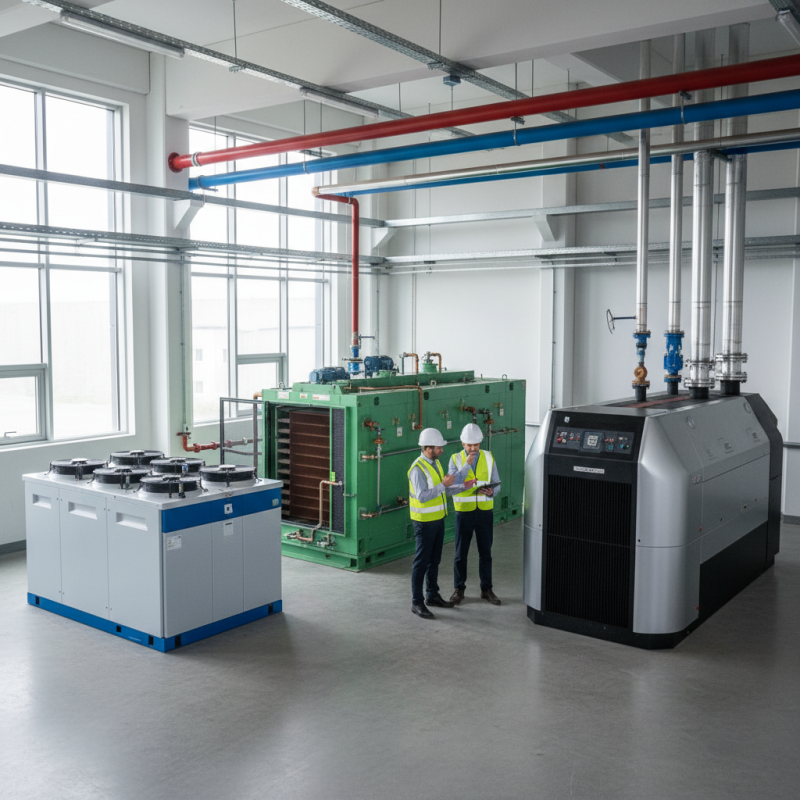
Choosing the right chiller series for your facility requires careful consideration. First, assess the cooling capacity needed. This depends on the size of your space and the specific requirements of your equipment. A larger area may need a high-capacity unit. If you select a chiller that is too small, it won't perform efficiently. Striking the right balance here is crucial.
Next, consider the environmental impact of your chiller. Many modern chillers are more energy-efficient. They help reduce carbon footprint and lower operating costs. Evaluate energy consumption ratings. Look for features that support sustainability. However, higher efficiency might come at a greater upfront cost. This trade-off can be challenging.
Lastly, think about maintenance and support. Some systems require more regular checks and servicing. A chiller with complex parts might lead to frequent downtime. Consider your facility's maintenance capability. If you lack skilled personnel, a simple design could be better. It’s also worth reflecting on the original installation. Will it fit your long-term goals? Invest time in this analysis to avoid regrets later.
When selecting a chiller, understanding the differences between air-cooled and water-cooled systems is crucial. Air-cooled chillers are typically easier to install. They use ambient air to cool the refrigerant. This means no need for additional water sources or complex plumbing. However, they can be less efficient in hot weather. This might lead to higher energy costs.
Water-cooled chillers, on the other hand, often provide better cooling performance. They utilize water from cooling towers to dissipate heat. This can be beneficial in larger operations. But, they require more maintenance. Water quality must be monitored closely. Failure to do so can lead to corrosion or scale buildup.
Choosing the right chiller involves careful consideration of your specific needs. Each type has its pros and cons. You may need to balance efficiency with installation costs. The decision could impact your operation’s overall performance. Think about your local climate and system requirements. There’s no one-size-fits-all answer. Reflect on your unique situation before making a choice.
| Type of Chiller | Cooling Capacity (kW) | Energy Efficiency (EER) | Initial Cost ($) | Maintenance Frequency | Best Use Cases |
|---|---|---|---|---|---|
| Air-Cooled Chiller | 50 - 500 | 3.0 - 6.0 | 5,000 - 50,000 | Low | Commercial Buildings, Small Industrial Applications |
| Water-Cooled Chiller | 100 - 2000 | 4.0 - 7.0 | 10,000 - 150,000 | Moderate | Large Industrial Facilities, Process Cooling |
| Absorption Chiller | 50 - 1000 | 1.2 - 2.0 | 20,000 - 200,000 | High | District Cooling, Waste Heat Recovery |
| Screw Chiller | 200 - 3000 | 4.5 - 6.5 | 15,000 - 150,000 | Moderate | Large HVAC Systems, Process Applications |
Choosing the right chiller series can significantly influence your energy consumption and operating costs. Energy efficiency ratings are crucial for making smart decisions. High ratings often lead to lower energy bills. However, they may come at a higher upfront cost. It’s essential to weigh the long-term savings against initial prices.
Consider these tips when evaluating energy efficiency. First, check for the Seasonal Energy Efficiency Ratio (SEER) and the Energy Efficiency Ratio (EER). These metrics provide insights into performance under various conditions. Also, investigate the thermal load requirements. An oversized chiller can waste energy, while an undersized one may fail to meet your needs.
Don't overlook maintenance costs. A more efficient system might require specialized care. Be ready for that. Reflect on your operational schedule too. If the system runs less often, the benefits of high efficiency may diminish. Strive for a balance between performance and affordability. It’s not always simple. Remember that every choice has its trade-offs.
When selecting a chiller series, it's vital to focus on two key performance metrics: cooling capacity and temperature control accuracy. Cooling capacity indicates how much heat the chiller can remove from a system in a given time. For efficient operations, the cooling capacity should match the thermal load of the process. Studies show that a mismatch can lead to increased energy consumption, potentially raising operational costs by up to 30%.
Temperature control accuracy refers to how consistently a chiller maintains the desired temperature. Fluctuations can result in process inefficiencies. Ideally, precision should be within ±1°C for optimal performance. A recent report highlighted that systems with precise temperature control improve process yields by as much as 10%.
Tips for choosing the right chiller: Consider your cooling needs carefully. Evaluate your current and future requirements. Don’t overlook the importance of maintenance. Regular checks can prevent significant issues. Assess the energy efficiency rating, as this impacts long-term savings. Remember, the wrong choice may lead to operational headaches and unexpected costs.
When choosing a chiller, maintenance and lifespan are critical factors. A well-maintained chiller can last years longer than one ignored. Regular inspections should not be neglected. These checks often reveal early signs of wear and tear. Scheduled maintenance can prevent costly breakdowns.
Chillers need varying levels of attention based on design. Some simple units require minimal upkeep. Others, however, can demand more frequent service. Consider the location too. A chiller in a dusty environment may necessitate more cleaning. This can impact efficiency if not managed properly.
Understanding the lifespan of your chiller is essential. Many factors influence how long a unit will serve you. Type of chiller, usage patterns, and environmental conditions are just a few. It’s essential to reflect on the potential need for replacements. A longer-lasting chiller could mean more upfront investment. However, it could save you money in the long run. Balancing initial costs and maintenance is tricky yet vital.