
Custom sheet metal parts in as little as 3 days - Get a quote now!

How to Choose the Best CNC Lathe Machine for Your Needs?

Choosing the right Cnc Lathe Machine is a critical decision for many manufacturers. The CNC machining industry has seen substantial growth, with a report by MarketsandMarkets projecting the market to reach $6.5 billion by 2025. This underscores the increasing reliance on CNC machines across various sectors, including aerospace and automotive.

Expert Martin Reynolds, a leading figure in CNC technology, once stated, "Selecting a CNC lathe requires understanding specific project needs to maximize efficiency." This highlights the need for careful assessment. Users must consider factors such as precision, size, and material compatibility. Each choice can have significant implications on productivity.

However, selecting the best machine is not always straightforward. Many buyers struggle with information overload, finding it challenging to pinpoint the features that truly matter. This can lead to costly mistakes. The journey to find the perfect CNC lathe machine should involve thorough research and a clear understanding of project requirements.
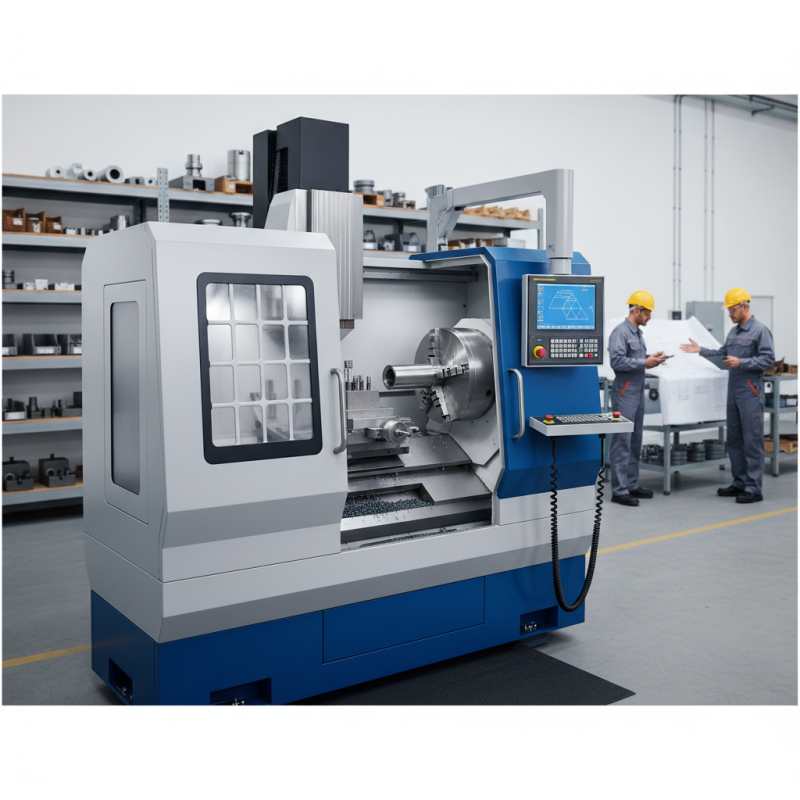
How to Choose the Best CNC Lathe Machine for Your Needs?

Understanding the Basics of CNC Lathe Machines

CNC lathe machines are essential for precision manufacturing. They automate the turning process, where raw materials are shaped into desired forms. Understanding their basic components can enhance your decision-making. These machines primarily consist of a spindle, chuck, and control panel.

Spindles rotate the workpiece at high speeds. Chuck holds the material firmly. Advanced models offer various speed settings for different materials. A survey by the Manufacturing Technology Association noted that 45% of shops focus on speed and accuracy when choosing machines. This data emphasizes the importance of these features.

Control panels serve as the operator’s interface. User-friendly software can streamline operations. However, many novices find it challenging to grasp the settings. Reports suggest that 30% of new users struggle with programming. Investing time in learning is crucial. Maintaining these machines requires effort too. Neglecting routine checks can lead to costly repairs down the line. This aspect is often overlooked, but it’s vital for longevity.

Comparison of CNC Lathe Machine Features

Identifying Your Specific Machining Needs and Requirements

When choosing a CNC lathe machine, identifying your specific machining needs is crucial. Start by analyzing the types of materials you will work with. Different materials like aluminum, steel, or plastic require different lathe capabilities. Think about the complexity of your designs, too. Are you working on simple parts or intricate designs with tight tolerances? This can greatly influence your decision.

Consider your production volume. Are you running small batch sizes or high-volume production? This aspect affects the machine speed and automation features you might need. Additionally, think about space limitations in your workshop. A larger machine may enhance capabilities but may not fit in your workspace. Don’t overlook the importance of software and user interface as well. Intuitive controls can save time during setup and operation.

Finally, reflect on any gaps in your current setup. Are there features you wish you had in your existing machinery? Maybe automation or advanced tooling options could improve efficiency. This reflection can help clarify your requirements and lead to a more informed choice. Make a list of must-have features versus nice-to-haves. This process can streamline your selection, ensuring the machine meets your actual needs.

Evaluating Key Features of CNC Lathe Machines

When evaluating CNC lathe machines, consider important features that match your needs. The first element to examine is the size of the machine. Ensure it fits your workspace and can handle the materials you intend to use. A compact design might be appealing, but it could limit your project options.

Another key feature is the machine's control system. User-friendly interfaces simplify operation but may lack advanced functions. Meanwhile, more complex systems provide greater flexibility but come with a steeper learning curve. Think about your team's skill level. Are they ready for a challenge? That decision impacts productivity directly.

Tips: Look at the spindle speed. A higher RPM allows for faster production. But consider material compatibility too. If you’re working with harder metals, adjust your expectations. Always factor in the cost of maintenance. Sometimes, lower upfront costs mean higher long-term expenses.

In addition, precision is crucial. A lathe with tight tolerances makes all the difference in quality. Review specifications closely. You might discover some machines claim high precision but fall short. Each detail matters, and any mistake can lead to wasted materials. Reflections on your past experiences can guide you in this decision-making process.

Comparing Different Manufacturers and Models

Choosing the right CNC lathe machine requires careful comparison of different manufacturers and models. It’s crucial to consider the specifications, build quality, and ease of use. Look at the control systems they offer. Some machines have advanced features, while others are more basic. Make sure the model fits your technical skills.

Tip: Read user reviews online. They can provide insight into real-world performance and reliability. Don’t just trust the specs. You may find that some machines perform poorly under heavy workloads. Test the machines whenever possible. Hands-on experience is invaluable.

Also, consider the support from the manufacturer. What warranty do they offer? Is customer service responsive? Reliable support can save you from future headaches. Prices vary widely, so don’t settle for the first one you see. The cheapest option might not serve your long-term needs. Take the time to evaluate your choices thoughtfully. Remember, this is an investment.

Assessing Budget and Cost-Effectiveness of CNC Lathes

When selecting a CNC lathe machine, budget is a crucial factor. Assessing your needs is equally important. A good machine can be a significant investment. The price range varies greatly. Basic models start at a low cost, while advanced machines can be quite expensive. It’s wise to determine how much you can spend without jeopardizing your financial stability.

Consider the cost-effectiveness of the machine. Lower-priced lathes may save you money, but they often lack features. You might end up paying more for repairs. Quality tools can improve productivity. A higher upfront cost may lead to savings in the long run. You should also factor in maintenance costs, training, and potential upgrades.

It is common to overlook ongoing expenses. Always keep your budget flexible for unexpected repairs. Revisiting your budget periodically helps. Reflecting on previous choices can guide you toward better decisions. Ultimately, investing in the right CNC lathe pays off, but only if it matches your specific production requirements.