
Custom sheet metal parts in as little as 3 days - Get a quote now!

Why Choose the Right Speed Sensor for Your Applications?

Choosing the right Speed Sensor for your applications is crucial. Speed sensors play a vital role in various industries. They provide essential data for machinery and vehicle performance.

In applications ranging from automotive to industrial automation, accuracy and reliability are paramount. Selecting a high-quality speed sensor can enhance productivity. However, not all sensors are created equal. Some may offer compatibility issues, while others might deliver inaccurate readings.

Investing time in research is necessary. Assessing your specific needs and understanding sensor types is key. Evaluating manufacturer reputations can prevent costly mistakes. Remember, a poor sensor choice can lead to operational inefficiencies. Consider the speed sensor’s specifications carefully. This decision impacts performance and longevity.
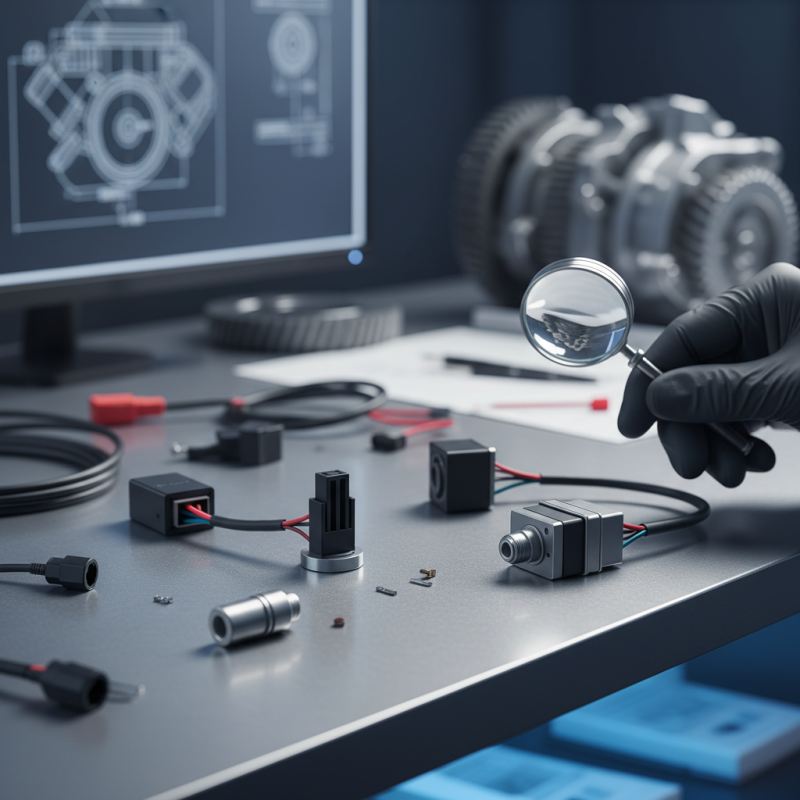
Why Choose the Right Speed Sensor for Your Applications?

Understanding the Role of Speed Sensors in Various Applications

Speed sensors play a critical role in many applications, from automotive systems to industrial machinery. They provide essential data, monitoring the rotation and speed of components. This information ensures optimal performance and safety. For instance, in vehicles, speed sensors influence engine efficiency and transmission adjustments. They help maintain fuel economy and improve overall driving experience.

In industrial settings, speed sensors enable precise control of motors and conveyors. They can detect anomalies, preventing costly breakdowns. Various sensor types cater to different needs. Magnetic sensors are common in automotive applications, while optical sensors are often preferable in manufacturing. Choosing the right type impacts reliability and performance.

Navigating the selection process can be daunting. Factors like environment, speed range, and communication protocol matter. An unexpected choice could lead to inaccuracies or system failures. Understanding specific application needs is crucial. Sometimes, it’s challenging to foresee long-term implications of sensor specifications. Engaging with experts or conducting thorough research can help bridge knowledge gaps.

Why Choose the Right Speed Sensor for Your Applications? - Understanding the Role of Speed Sensors in Various Applications

Application Sensor Type Measurement Range Accuracy Typical Use Cases
Automotive Hall Effect Sensor 0-200 km/h ±1 km/h Vehicle speed measurement, ABS systems
Industrial Inductive Sensor 0-5000 RPM ±25 RPM Motor speed control, conveyor systems
Aerospace Optical Sensor 0-3500 RPM ±10 RPM Turbine engine monitoring
Home Appliances Tachometer 0-3000 RPM ±15 RPM Washing machine spin speed
Robotics Incremental Encoder 0-1000 RPM ±5 RPM Joint position feedback

Types of Speed Sensors and Their Unique Features

Speed sensors are vital components in various applications. They help monitor the speed of machinery, vehicles, and industrial processes. Understanding the types of speed sensors available can significantly enhance performance and reliability.

Magnetic sensors are commonly used in automotive applications. They detect ferrous objects, providing accurate speed readings. In contrast, optical sensors are suited for environments with variable lighting. They use light beams to measure rotational speed. Both types offer unique features that cater to different needs. Choosing the right sensor depends on environmental conditions and application requirements.

Inductive sensors are another option. They function well in harsh environments with high temperatures and vibrations. However, they may not be suitable for all applications. There’s no one-size-fits-all solution. Each sensor type has strengths and weaknesses. Companies must assess their specific needs to select the best sensor. It's critical to understand these differences to avoid costly mistakes.

Factors to Consider When Choosing a Speed Sensor

Choosing the right speed sensor can significantly impact your system's efficiency. One key factor is the sensor's accuracy. According to a recent industry report, high-precision sensors can improve measurement accuracy by over 30%. This is crucial in applications requiring real-time data. A small error in speed measurement can lead to system failures or inefficiencies.

Another important factor is the sensor type. Different applications may require contact or non-contact sensors. For instance, contact sensors may offer higher accuracy but wear out faster. Non-contact options tend to have a longer lifespan. However, they may fall short in certain environments. Evaluating operational conditions helps in making the best choice.

Finally, consider the medium in which the sensor operates. Environmental factors such as temperature, humidity, and exposure to dust or chemicals can affect sensor performance. According to a report by the Institute of Sensors, sensors exposed to extreme conditions have a failure rate of up to 25%. A reliable speed sensor must withstand these conditions. Assessing these aspects can prevent costly disruptions and ensure long-term reliability.

The Impact of Sensor Accuracy on Application Performance

Choosing the right speed sensor can significantly influence your application's performance. Sensor accuracy plays a vital role in how well systems operate. A precise speed sensor ensures that data collected is reliable. This accuracy directly affects decision-making processes in applications like automation and robotics.

Regular calibration can enhance sensor accuracy. Always consider environmental factors that might disrupt performance. For example, vibrations or electromagnetic interference can lead to data distortion. Pay attention to sensor placement. Optimal positioning can mitigate potential inaccuracies.

Understanding the technical specifications of speed sensors is crucial. Application requirements vary, making it essential to select a sensor that meets unique standards. An unsuitable choice can cause inefficiencies in performance. Small oversights may lead to larger repercussions in application reliability.

Testing different sensors in your environment can reveal the best option.

Common Applications and Industries Utilizing Speed Sensors

Speed sensors play a crucial role in various industries. They ensure optimal performance by providing accurate data on the speed of moving parts. Common applications include automotive, manufacturing, and aerospace. In the automotive sector, speed sensors help monitor vehicle speed and ensure safety.

Manufacturing systems often use speed sensors to maintain production efficiency. They help control conveyor belt speeds and machine operations. In aerospace, these sensors are vital for monitoring the speed of aircraft and ensuring precise navigation. This highlights the importance of selecting the right speed sensor for specific applications.

Tips: When choosing a speed sensor, consider the operating environment. Factors like temperature and vibration can affect performance. Choose sensors with proven durability. Additionally, ensure compatibility with existing systems to avoid unexpected issues. Trust expert advice when in doubt, as the right sensor can enhance safety and operational efficiency.

Article Source: