
Custom sheet metal parts in as little as 3 days - Get a quote now!

What is CNC Lathe Machining and How Does it Benefit You?

CNC Lathe Machining stands at the forefront of modern manufacturing. This technology plays a critical role in shaping various materials with precision. Utilizing computer numerical control, it enables automated processes that enhance accuracy. This is crucial for industries seeking high-quality components.

One notable advantage of CNC Lathe Machining is its efficiency. With minimal human intervention, it reduces the chances of error. However, relying heavily on machines can sometimes lead to unforeseen challenges. The initial setup can be time-consuming, and errors in programming can affect production timelines.

Despite these challenges, the long-term benefits often outweigh the initial hurdles. Businesses gain the ability to produce complex shapes and forms that would be difficult to achieve manually. Moreover, as industry demands evolve, CNC Lathe Machining adapts, ensuring relevance in a competitive landscape. This adaptability is a testament to its significance in today's manufacturing sector.
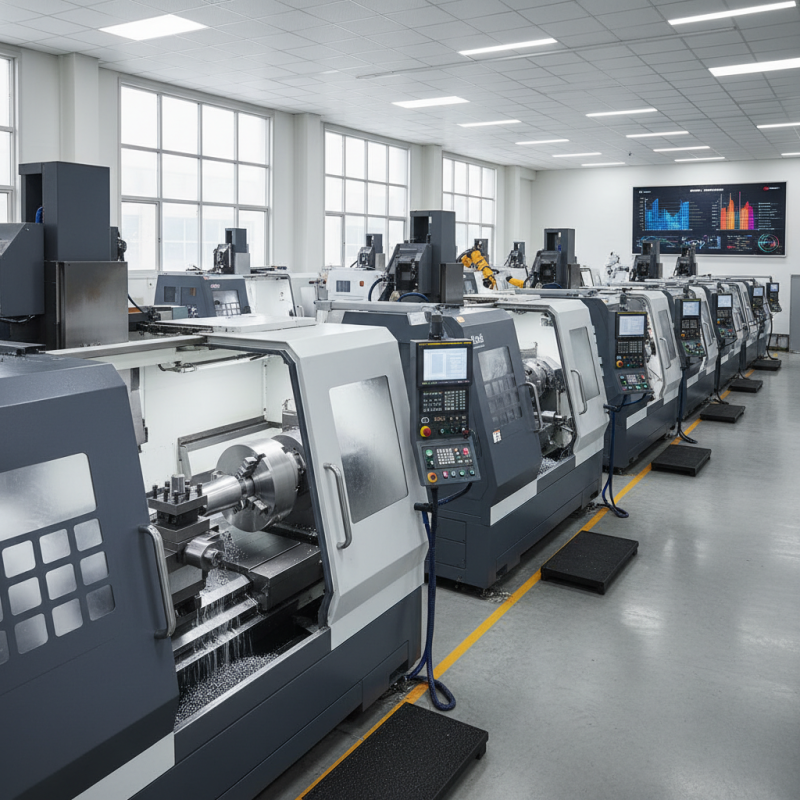
What is CNC Lathe Machining and How Does it Benefit You?

What is CNC Lathe Machining?

CNC lathe machining is a process that shapes materials with precision. It uses computer numerical control to guide the tools. This technology allows for high accuracy and repeatability in manufacturing. The machine spins the workpiece against the cutting tool. As a result, complex shapes and designs can be created.

In CNC lathe machining, materials such as metal and plastic are often used. The process creates products like shafts, pins, and cylindrical parts. A high level of detail can be achieved in each piece. However, the reliance on technology can lead to errors. Programming mistakes or tool wear may impact quality. Understanding these factors is crucial for anyone involved in machining.

Moreover, CNC lathe machining reduces manual labor. Operators can focus on programming and quality control instead of the machining itself. The speed of production increases significantly. Yet, there is a learning curve for new operators. Training is essential to ensure efficient operation and avoid costly mistakes. While CNC lathe machining offers many benefits, awareness of its limitations is necessary.

The Basic Principles of CNC Lathe Operation

CNC lathe machining relies on precise programming to shape materials. A Computer Numerical Control (CNC) lathe uses computer programs to guide the cutting tools. This allows for intricate designs, which are difficult to achieve manually. Operators load materials, set parameters, and ensure everything runs smoothly.

The basic principle involves rotating the workpiece against a stationary tool. This rotation allows for efficient shaping, drilling, and threading. The tool is carefully programmed to follow specific paths. Adjustments can be made quickly, improving productivity. Errors can occur, especially with complex designs. Sometimes, misalignments happen, requiring recalibration. Regular checks during the machining process minimize these risks.

CNC lathes also improve consistency. They can produce identical parts with minimal variation. However, they require skilled operators. Experience matters to interpret the software and troubleshoot issues. The technician's expertise can significantly affect production quality. This blend of technology and skill creates better results in manufacturing.

Key Benefits of Using CNC Lathes in Manufacturing

CNC lathes are vital in modern manufacturing. They offer precision and speed that traditional methods can't match. By using computer-controlled systems, they can produce complex shapes with minimal human intervention. This technology leads to fewer errors during the machining process.

One key benefit of CNC lathes is consistency. Parts made with CNC lathes are uniform, ensuring quality across batches. Manufacturers can rely on these machines to replicate products accurately every time. Additionally, CNC lathes allow for quicker turnaround times. What once took hours or days can now be completed in a fraction of the time, increasing overall efficiency.

However, there are challenges. Operating CNC lathes requires skilled personnel who understand programming and machine operation. Training can be time-consuming. Additionally, initial investments in CNC technology can be significant. But the long-term benefits often outweigh these initial drawbacks, leading to enhanced productivity and profitability. Understanding these aspects is crucial for making informed decisions in manufacturing.

Applications of CNC Lathe Machining Across Industries

CNC lathe machining is revolutionizing manufacturing across various industries. Its applications range from automotive to aerospace, improving efficiency and precision. According to a report by Market Research Future, the global CNC lathe market was valued at approximately $2.6 billion in 2020. It is projected to grow at a compound annual growth rate (CAGR) of 5.1% from 2021 to 2027. This growth highlights the increasing reliance on CNC technologies.

In the automotive sector, CNC lathe machines play a vital role in producing engine components. Precision is key here; even a minor deviation can lead to product failure. A study by the National Institute of Standards and Technology emphasizes that CNC machines reduce waste by up to 30%. However, this efficiency is sometimes hampered by maintenance issues. Regular servicing is necessary to sustain productivity levels and avoid costly downtimes.

The aerospace industry utilizes CNC lathe machining for manufacturing high-performance parts. These components must meet stringent safety standards, which require exact measurements. Despite the advanced capabilities of CNC technologies, the complexity of some designs can lead to challenges. The learning curve may be steep for some operators, and mistakes during programming can result in significant material waste. Continuous training and skill development are crucial to counteract these potential setbacks.

Factors to Consider When Choosing a CNC Lathe Machine

When selecting a CNC lathe machine, several critical factors can influence your decision. The machine's size is fundamental. A larger machine may offer more versatility but can limit workspace. Consider the materials you will be machining. Different machines excel in handling specific materials. For instance, aluminum and steel may require entirely different setups.

The precision of the CNC lathe is another vital aspect. Look for machines that provide consistent, high-quality results. Accuracy often depends on the machine's design and controller quality. If you’re producing intricate parts, even minor errors can accumulate and lead to significant issues.

Don't overlook software compatibility. A machine's efficiency is closely tied to its software. Ensure the CNC lathe integrates well with your existing systems. While many machines come with basic software, advanced features can enhance productivity and reduce setup time. Finally, think about the support and training available. Investing in a reliable machine is crucial, but having access to knowledgeable support makes a real difference.